An air conditioner removes a large volume of moisture from indoor air, and that condensate has to drain away through a dedicated line. In Florida's humid climate, a residential system can produce several gallons of condensate on a warm, humid day, so a functioning drain line matters as much as any other system component.
When the drain line clogs, water either backs up and trips a safety float switch, stopping the system, or it overflows the drain pan and causes water damage nearby. Both outcomes are addressed differently, so identifying which is occurring helps direct the repair.
Signs that may point to AC Drain Line Repair
- The system stops cooling and the thermostat shows no error but nothing runs
- Water is pooling on the floor or ceiling near the air handler
- A musty smell comes from the drain line or nearby vents
- The secondary drain pan under the air handler has visible water in it
- Water drips from the emergency drain line on the exterior of the home
Common causes of ac drain line repair issues in Port St. Lucie
- Algae and biofilm buildup
- Warm, humid conditions inside a condensate line support the growth of algae and biological film year round, which can gradually narrow and then fully block the line.
- Physical blockage or sediment
- Dust, insulation fragments, and debris that reach the drain pan can settle in the line's low points and slow or stop drainage over time.
- Improper line slope or sagging
- A drain line without adequate slope, or one that has sagged over time, can hold standing water that promotes clogging and slows drainage even when the line is otherwise clear.
- Float switch shutdown
- The float switch is a safety device designed to stop the system when water backs up, preventing overflow damage. A tripped switch signals a blockage rather than a switch problem in most cases.
What a service visit generally involves
- 1
Locate the blockage
The drain line is traced from the air handler to its termination point to identify where water flow is restricted.
- 2
Clear the line
Depending on the location and severity, the line is typically cleared using compressed air, a wet/dry vacuum at the termination point, or a drain snake.
- 3
Treat and inspect
The line is flushed and treated to slow biological regrowth, and the drain pan and float switch are inspected for damage or corrosion.
- 4
Confirm flow and reset safeties
Water is run through the line to confirm free flow before the system is restarted and the float switch is reset.
Safe checks a homeowner can make first
- Check whether the secondary drain pan under the air handler has water in it
- Look at the exterior emergency drain line (often a PVC pipe near the air handler) for dripping, which can indicate a primary line blockage
- Turn the system off if water is visibly overflowing, and avoid running it until the line is cleared
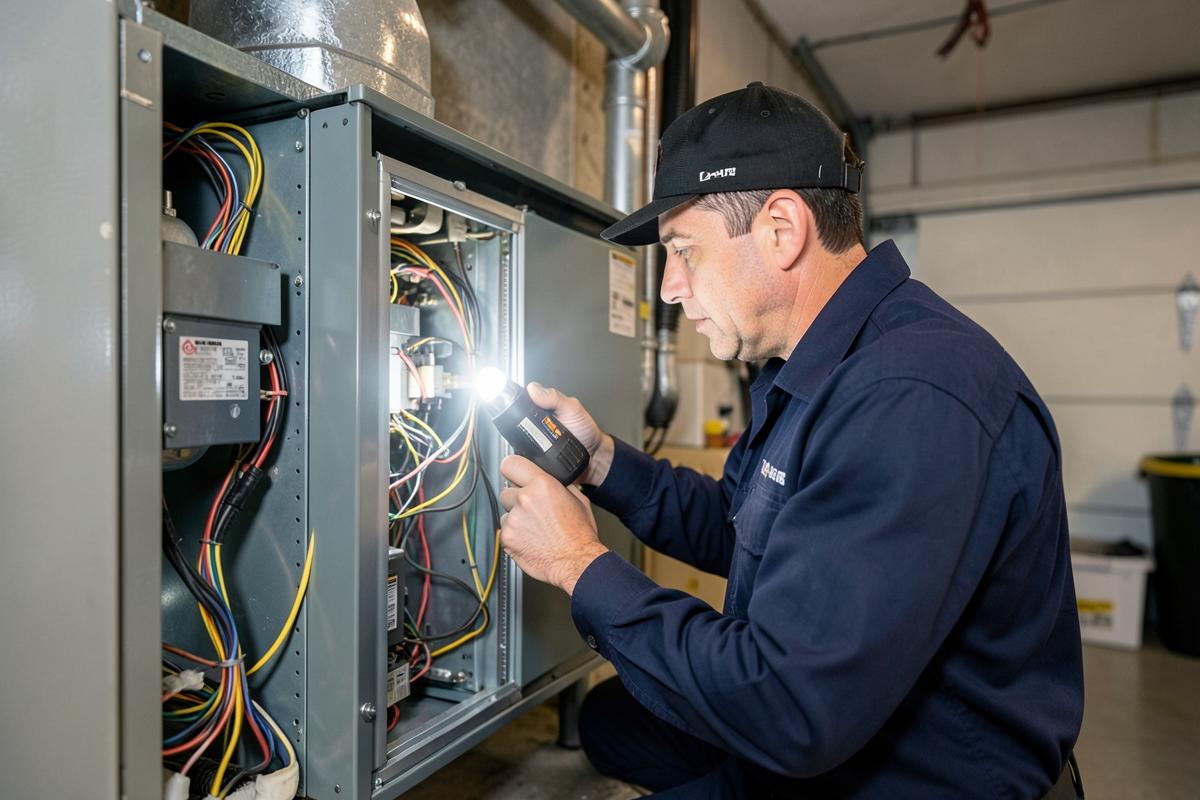
Internal coil cleaning, electrical work, refrigerant work, and panel removal should be left to qualified service personnel.
When to stop running the system
- Do not attempt to access the float switch or open the air handler cabinet to clear a blockage internally
- If water has reached drywall, flooring, or electrical components, leave the system off until the source is addressed
Areas covered in Port St. Lucie
AC Drain Line Repair information and service requests cover Port St. Lucie and the areas listed below: